Looking for affordable veneers in Manteca, CA and want a clear, practical answer? You can find high-quality, budget-friendly veneer options nearby by choosing a local dental practice that offers transparent pricing, payment plans, and modern materials—so you can improve your smile without overspending.
This article explains what veneers are, how the placement process works, and where local savings typically come from, all in plain language from a trusted neighborhood perspective. You’ll learn who makes a good candidate, what to expect during treatment, and how to care for your new smile so the investment lasts.
You’ll also see real patient experiences and straightforward tips for comparing costs and financing in Manteca, CA, helping you decide whether veneers are the right next step for your confidence and dental health.
Understanding Dental Veneers

This section explains what veneers are, the main material options and their pros and cons, and how veneers address common cosmetic and functional concerns to create a more even, natural-looking smile.
What Are Veneers?
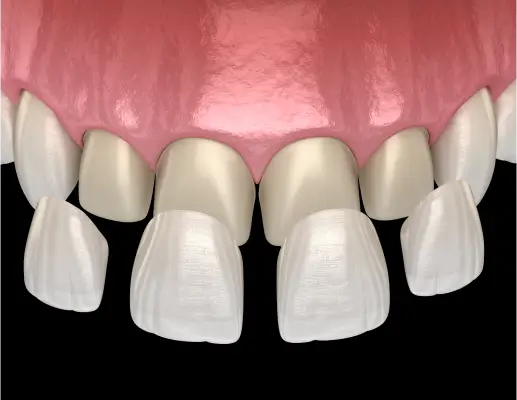
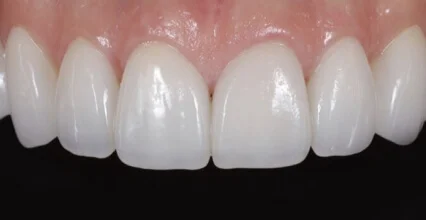
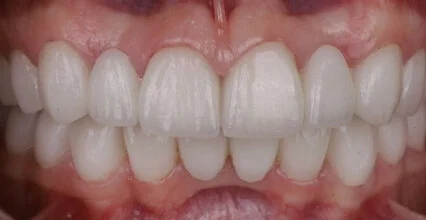
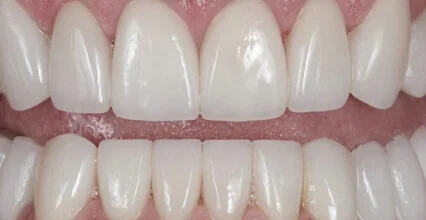
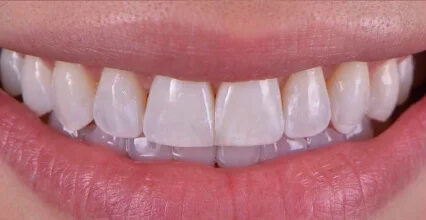
Veneers are thin shells bonded to the front surface of teeth to change shape, color, or length. Dentists custom-make them to match surrounding teeth and facial proportions, preserving a natural appearance.
The process typically involves a consultation, minimal enamel removal (often 0.3–0.7 mm), impressions or digital scans, and placement with a strong dental adhesive. Patients usually need two appointments when using lab-made porcelain; same-day composite veneers can be completed in one visit.
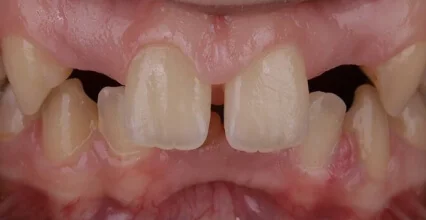
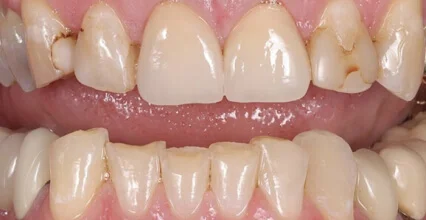
Veneers treat stains that don’t respond to whitening, small chips, minor gaps, and mild misalignment. They are not the best choice for severely decayed or heavily restored teeth; those situations often require crowns or orthodontics first.
Types of Veneers Available
Porcelain veneers: made in a dental lab, highly stain-resistant, and mimic enamel translucency. They last 10–15 years with good care but require two visits and higher cost.
Composite veneers: built directly on the tooth or made in a lab from composite resin. They cost less, can be placed in one visit, and are easier to repair. Expect a shorter lifespan (5–7 years) and greater susceptibility to staining.
No-prep/minimally invasive veneers: very thin porcelain or composite options that require little to no enamel removal. They preserve tooth structure but are not suitable for all cases—ideal when teeth are slightly protruding or already the right size.
Zirconia veneers: stronger and more fracture-resistant than porcelain, useful for patients with heavier bite forces. They can appear less translucent than porcelain, so dentists balance strength and aesthetics when recommending them.
How Veneers Improve Your Smile
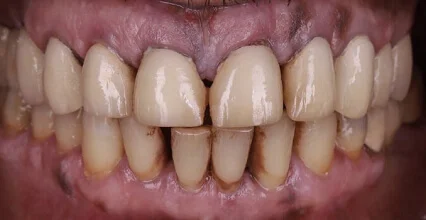
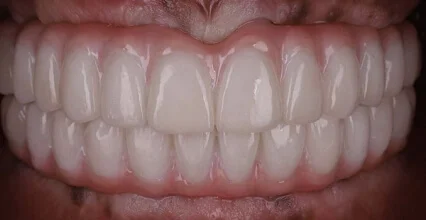
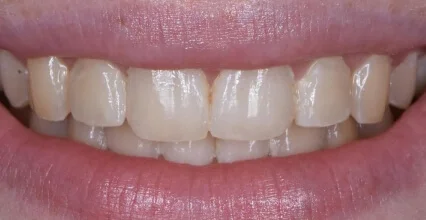
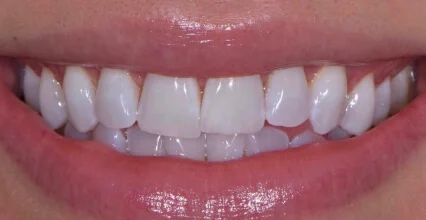
Veneers correct color, shape, size, and minor alignment without braces. For example, veneers can whiten severely stained teeth, close small gaps, and lengthen worn front teeth to restore a youthful smile.
They also improve bite function in some cases by reestablishing proper tooth contacts and reducing uneven wear. A diagnostic mock-up or digital preview helps patients see expected results before committing.
Maintenance includes good oral hygiene, avoiding very hard foods, and regular dental check-ups. With proper care, veneers maintain aesthetics and function, while prompt attention to chips or bonding issues keeps results long-lasting and predictable.
Benefits of Choosing Veneers Locally
Choosing a local provider shortens travel time, improves scheduling flexibility, and makes follow-up care more convenient. Patients also gain clearer price comparisons and easier access to emergency or repair visits when veneers need minor adjustments.
Personalized Care in Manteca
Local dental offices in Manteca can tailor veneer plans to fit each patient’s budget and lifestyle. They often offer in-office financing, flexible payment plans, and transparent fee breakdowns for consultation, preparatory work, lab fees, and bonding.
Clinics typically keep detailed, easily accessible records, so the dentist can review prior x-rays and treatment notes before veneer placement. That continuity reduces redundant tests and speeds up decision-making.
Many practices provide same-town referrals for related services — like periodontal care or whitening — ensuring coordinated care when gum health or tooth shade needs addressing first. Patients also benefit from staff who recognize local insurance carriers and know how to file claims efficiently.
Expertise of Local Dental Professionals
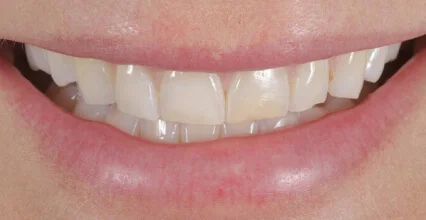
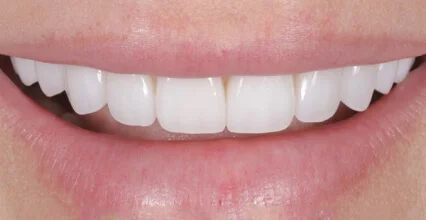
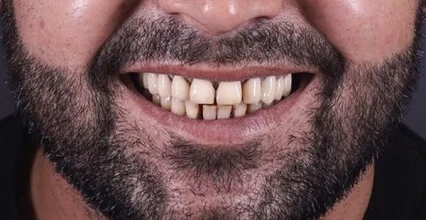
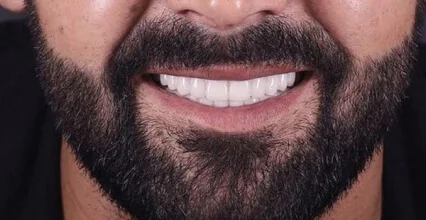
Dentists in Manteca usually have experience with materials and techniques suited to the community’s needs, such as stain-resistant porcelain and conservative prepping methods that preserve tooth structure. They can show before-and-after photos of cases done nearby, which helps patients set realistic expectations about color, shape, and longevity.
Local labs and ceramists often work directly with the dentist, enabling faster turnaround and easier communication about custom shade matching and contour details. That hands-on collaboration reduces remakes and improves final fit.
Practices also emphasize patient comfort—offering options like topical anesthetic, nitrous oxide, or buffered local anesthetic—and provide clear post-op care instructions and same-town access for touch-ups or sensitivity checks.
Cost Considerations and Savings
This section explains typical cost drivers, how to compare affordable veneer choices, and practical payment options to reduce out‑of‑pocket expense. Readers will see clear factors that change price and realistic ways to save without sacrificing quality.
What Influences Veneer Pricing?
Material choice affects cost significantly. Porcelain veneers usually cost more than composite due to lab fabrication, aesthetic longevity, and stain resistance; in Manteca, porcelain can run higher because of custom lab work and dentist experience. Tooth preparation level and whether temporary veneers are used also raise the fee, since more chair time and lab communication add to the total.
Practice overhead matters. A private cosmetic practice with advanced imaging, sedation options, and experienced ceramists will charge more than a general clinic. Geographic factors—local rent, staffing, and supply costs—push prices up or down within San Joaquin County. Lastly, additional procedures such as gum reshaping, root canals, or orthodontics before veneer placement increase the final cost.
Comparing Affordable Options
Composite veneers present the most affordable upfront option. Dentists can place composite veneers in one visit, reducing lab fees and appointments; they cost less per tooth but may stain or chip sooner than porcelain. Porcelain-onlay or thin-laminae (minimal-prep) veneers offer better longevity and a more natural translucency, making them cost-effective over a longer period despite higher initial prices.
Patients should compare total lifetime cost, not just the initial quote. Ask for itemized estimates: consultation, preparatory work, lab fees, temporaries, and follow-up visits. Verify the type of porcelain (feldspathic, lithium disilicate) and warranty details. Request before-and-after photos of similar cases and read patient reviews for quality and value. A slightly higher price from a well-reviewed dentist often yields fewer repairs and lower long‑term cost.
Financing and Payment Plans
Many Manteca dental offices provide in-house payment plans or partner with third‑party financiers like CareCredit. These options can split costs into 3–24 month terms, sometimes with interest-free promotions for shorter periods. Patients should compare APR, monthly payment, and total payable amount when choosing a plan.
Insurance rarely covers elective veneer work, but flexible spending accounts (FSA) or health savings accounts (HSA) can be used to pay pre-tax. Dentists sometimes offer multi-tooth discounts, seasonal promotions, or bundled pricing for smile makeovers. Request a written financing agreement and confirm what happens if additional restorative work becomes necessary after treatment.
The Veneer Placement Process
This section explains how the dentist evaluates candidates, designs veneers to match tooth shape and color, and the clinical steps that lead to bonded porcelain or composite restorations. It highlights comfort measures, timing, and what patients can expect at each visit.
Initial Consultation Experience
The dentist begins with a focused oral exam and digital photos to document tooth position, wear, and gum health. They take intraoral scans or traditional impressions to create study models and use these to plan changes in length, alignment, and shade.
A discussion follows about budget-friendly materials — pressed porcelain or composite — and realistic outcomes. The clinician reviews medical history, explains risks like sensitivity or need for future replacement, and confirms whether teeth need bonding, whitening, or gum recontouring first.
The practice provides a mock-up or temporary veneers so the patient can see shape and color before committing. Staff outline timeline, costs, financing options, and post-procedure care to set clear expectations.
Step-by-Step Treatment Overview
On preparation day, the dentist gently removes about 0.3–0.7 mm of enamel for porcelain veneers or minimally prepares for direct composite. Local anesthesia is offered when needed to ensure comfort.
The clinician rechecks fit with a trial veneer; adjustments are made for bite and margins. For porcelain, the lab fabricates veneers while the patient wears temporaries; for composite, the dentist sculpts and polishes in one visit.
Bonding uses an etch-and-primer protocol, then a high-strength resin cement cured with a curing light. The dentist removes excess cement, checks occlusion, and makes final polish refinements to ensure natural translucency and smooth margins.
Aftercare instructions cover gentle brushing, non-abrasive toothpaste, avoiding hard foods for 48 hours, and scheduling a two-week follow-up to verify fit and gum response. Regular hygiene visits and a nightguard for grinding protect the investment over time.
Who Is a Good Candidate for Veneers?
Patients with stained, chipped, or mildly misaligned teeth often benefit from veneers. They work well when teeth are otherwise healthy and the patient practices good oral hygiene.
Someone with gaps or uneven tooth size can achieve a more balanced smile with veneers. They suit people seeking a cosmetic improvement rather than major bite correction.
Veneers are not ideal for those with active tooth decay or advanced gum disease. These issues need treatment first so veneers bond and last properly.
Bruxism (teeth grinding) may require a nightguard or other management before veneers. Heavy clenching can damage veneers, so dentists assess habits and offer protective solutions.
People wanting minimal enamel removal and a predictable aesthetic typically choose veneers. Candidates should have realistic expectations and be willing to maintain regular dental visits.
A dentist will evaluate oral health, take X-rays, and discuss alternatives like bonding or orthodontics. They tailor recommendations to the patient’s goals, budget, and long-term dental plan.
Encourage the patient to schedule a consultation to review options and ask questions. This helps ensure veneers fit their needs and comfort level.
Caring for Your New Smile
Veneers require simple, consistent habits to stay bright and intact. A few daily routines and periodic checkups preserve appearance and function.
Daily Care Tips
Brush twice daily with a soft-bristled toothbrush and non-abrasive fluoride toothpaste to protect the veneer surface. Hold the brush at a 45° angle and use gentle circular strokes along the gumline for 2 minutes each session.
Floss once daily, sliding the floss gently up and down the sides of each tooth. If traditional floss catches at the veneer margin, switch to a floss threader or interdental brushes sized to the contact spaces to avoid chipping.
Limit staining foods and drinks—coffee, black tea, red wine, and beet juice—and rinse with water within 30 seconds after consuming them. Use a straw for beverages when possible to reduce contact with the front teeth.
Avoid chewing hard objects such as ice, pens, or hard candies. If the patient grinds or clenches teeth, a custom nightguard should be worn to protect veneers from fracture and wear.
Maintaining Results Long-Term
Schedule dental checkups every six months, or as recommended, so the dentist can inspect veneer margins, check bonding integrity, and polish surfaces. Professional cleanings remove plaque and surface stains that home care can miss.

Address minor chips or debonding promptly—small repairs or re-bonding often restore function without replacing the entire veneer. The dentist will use composite resin for quick repairs or recommend replacement when structural compromise is significant.
Consider touch-up whitening for natural teeth if natural enamel darkens over time; matching shades with porcelain veneers preserves a uniform smile. Keep medical and dental histories current, since medications and acid reflux can affect enamel and veneer longevity.
They should contact the dental office with any sensitivity, looseness, or sudden color change to arrange timely evaluation and care.
Patient Success Stories
Maria, a local teacher, wanted a brighter smile before graduation photos. She chose affordable veneers in Manteca, CA, and appreciated how the dentist explained each step. The result looked natural and boosted her confidence.
A retired postal worker, Mr. Lopez, had worn and uneven teeth that made eating uncomfortable. He received conservative veneers that preserved tooth structure while restoring function. He now reports easier chewing and a smile he enjoys showing.
They found financing options helpful when cost was a concern. The clinic offered flexible plans and transparent pricing, which eased decision-making. Many patients mention that knowing the total cost up front reduced stress.
Several young professionals praised the quick turnaround time. Most veneer cases finished within a few appointments, minimizing time away from work. They also appreciated follow-up check-ins to ensure comfort and fit.
A mother of two was nervous about dental visits but felt calm after the staff explained numbing and care. Gentle chairside manner and clear aftercare instructions made recovery smooth. She recommends scheduling a consultation to discuss personalized options.
Patient feedback often highlights two things: the blend of aesthetic results and practical comfort. People notice improved appearance and daily function without overly invasive procedures. Contact the office to ask about veneer options, costs, and what to expect during the first visit.
Taking the First Step Toward a Brighter Smile
Patients in Manteca often start by scheduling a brief consultation to discuss goals, budget, and options. The dentist reviews medical and dental history, answers questions, and explains how veneers can address stains, chips, or gaps.
A clinical exam follows, usually with digital X-rays and photos to map the smile. This helps the dentist determine if veneers are appropriate or if alternatives like bonding or whitening make more sense.
Many practices offer financing or payment plans to make veneers more affordable. Staff will outline costs, expected timeline, and any preparatory care such as treating decay or gum disease.
A diagnostic mock-up or digital preview lets patients see a likely outcome before committing. It reduces uncertainty and helps the dentist fine-tune shape, shade, and alignment.
Preparation typically involves minimal tooth reshaping and impressions or scans for custom veneers. Temporary restorations may protect teeth while the lab creates the final veneers.
After placement, the dentist checks fit, bite, and appearance, making minor adjustments as needed. Follow-up visits ensure comfort and longevity, and the clinic will provide home-care tips to preserve the veneers.
If someone in Manteca wants a cost-effective path to a better smile, they can contact a local dental office for an initial consultation. Asking about materials, warranties, and payment options helps patients choose a plan that fits their needs and budget.
Frequently Asked Questions
This section answers common cost, comfort, and treatment questions about veneers in Manteca, CA. It covers typical prices, budget options, financing, how many teeth to treat, pain management, and what happens during a consultation.
How much do veneers typically cost, and what makes the price go up or down?
Veneer costs in Manteca usually range from about $500 to $2,500 per tooth. The lower end reflects direct composite veneers placed in one visit; the higher end covers porcelain or zirconia veneers made in a lab.
Factors that increase price include high-quality lab fabrication, advanced materials like lithium disilicate, extensive tooth preparation, and additional treatment such as gum reshaping. Costs drop with same-day composite work, fewer custom color matches, or combined discounts for multiple teeth.
What are the most budget-friendly veneer options, and how do they compare in looks and durability?
Composite veneers are the most affordable option, typically $500–$900 per tooth. They look good for front teeth and can be completed in one appointment, but they stain and chip faster than porcelain.
Porcelain veneers cost more—often $1,000–$2,500 per tooth—but resist stains and last 10–15 years with proper care. Pressed or CAD/CAM milled ceramics offer the best appearance and longevity, while laminate or ultra-thin porcelains preserve more tooth structure but may cost more.
Do payment plans or financing options make veneers more manageable month to month?
Yes. Many Manteca dental offices offer in-house payment plans that split costs over several months with little or no interest. Third-party medical credit (CareCredit or similar) often provides interest-free periods for 6–12 months.
Patients should compare the total repayment amount, interest rates after promotional periods, and any setup fees. Some practices also accept major credit cards or include discounts for paying upfront.
How many teeth do I really need to veneer to get a natural-looking smile upgrade?
A natural-looking result commonly involves veneering the 6–8 front teeth visible when smiling. For broader smiles or full-arch improvements, 10–12 teeth may be treated to maintain symmetry and consistent color.
Dentists evaluate tooth size, lip line, and facial proportions to recommend the minimum number needed. Conservative plans may veneer only the few teeth that show most prominently.
Will getting veneers hurt, and what can be done to keep the process comfortable?
Most patients experience minimal discomfort because dentists use local anesthetic during tooth preparation. Composite veneers often require less or no anesthetic; porcelain veneers usually need some enamel removal and local numbing.
Dentists manage comfort with topical numbing, gentle technique, and clear explanations. For anxious patients, sedation options such as oral sedatives or nitrous oxide are available to reduce stress.
What should I expect during a veneer consultation, and how do I know if I’m a good candidate?
During a consultation, the dentist conducts a full oral exam, takes X-rays and photos, and discusses cosmetic goals and budget. They assess tooth health, bite alignment, gum condition, and existing restorations to determine suitability.
Good candidates have healthy gums, sufficient enamel, and realistic expectations; patients with active decay, severe bruxism, or poor oral hygiene may need preparatory treatment. The dentist will outline treatment steps, timelines, costs, and financing, and may provide digital mock-ups or temporary veneers to preview results.