
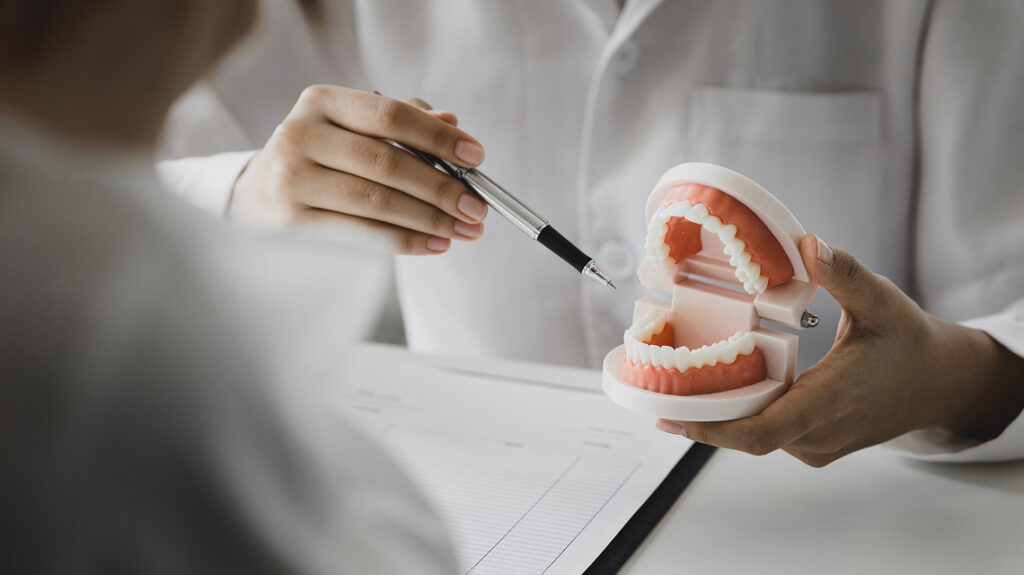
If someone in Manteca, CA is considering orthodontic treatment, scheduling a consultation is the best first step. An orthodontic consultation in Manteca gives patients a chance to understand their unique dental needs and explore personalized treatment options. This meeting helps address any concerns while reviewing modern solutions like clear aligners or traditional braces.
At the consultation, the orthodontist will evaluate teeth alignment, bite issues, and overall oral health with gentle exams and digital imaging. Patients learn what treatment might involve, expected timeframes, and how to maintain a comfortable experience throughout.
Knowing what to expect can ease any worries and empower patients to make informed decisions. They can ask questions directly and find out about payment plans or insurance options, making the journey to a healthier smile clear and supported.
What to Expect During Your First Orthodontic Visit
The initial visit is designed to gather important information about your dental health and specific concerns. This helps the orthodontist create a treatment approach tailored to your unique smile. You will experience modern technology alongside a personal consultation to make the process clear and comfortable.
Initial Assessment and Smile Goals
During the first appointment, the orthodontist reviews your medical and dental history carefully. They ask about any past treatments, current dental concerns, and your overall health. This helps identify factors that could influence treatment options.
Next, the orthodontist discusses your smile goals with you. Whether you want to straighten teeth, fix bite issues, or improve appearance, they listen closely. Understanding what matters most to the patient shapes the treatment plan and keeps motivation high throughout the process.
This stage also includes a gentle oral examination. The orthodontist checks the alignment of teeth and jaws, looking for crowding, spacing, and bite irregularities. It’s a comfortable, no-pressure way to start addressing your needs.
Digital Imaging and Diagnostic Tools
Advanced technology plays a key role in diagnosing dental conditions accurately. Your visit may include digital X-rays and photos to capture detailed images of your teeth and jaw structure. These images help spot underlying issues invisible to the naked eye.
In some cases, 3D imaging or scans provide a complete view of your mouth. These tools allow the orthodontist to measure tooth positions precisely and see how your bite functions. Imaging is safe, quick, and reduces the need for uncomfortable impressions.
The use of digital tools means treatment plans are based on real, accurate data. You can also see visual examples of how your teeth currently look, making discussions about options clearer and more transparent.
Customized Treatment Planning
Once the assessment and diagnostics are complete, the orthodontist designs a personalized treatment plan. This plan fits your dental condition, lifestyle, and smile goals. Options may include braces, clear aligners, or other appliances.
The orthodontist explains each option carefully, covering the expected timeline, costs, and care requirements. They answer any questions fully to ensure you feel confident about the next steps.
A clear plan helps manage expectations and provides a roadmap for the entire treatment journey. The patient leaves with a sense of control and understanding, knowing what to expect and how to prepare for future visits.
Choosing the Right Orthodontic Solutions
Deciding on the best orthodontic treatment involves considering both the type of braces and the patient’s age or lifestyle. Comfort, appearance, and specific dental needs all play a role in selecting the ideal option.
Traditional Braces Versus Clear Aligners
Traditional braces use metal brackets and wires to move teeth gradually. They are effective for complex cases such as severe overcrowding or bite issues. While visible, modern braces can be more comfortable than before thanks to low-profile designs.
Clear aligners, like Invisalign, are removable and nearly invisible. They suit mild to moderate corrections and allow patients to eat and clean teeth more easily. However, they require discipline to wear 20-22 hours daily. Aligners work best for motivated individuals who prefer subtle treatment.
Both methods involve periodic adjustments and monitoring by the orthodontist. The choice depends on treatment goals, lifestyle, and budget.
Options for Teens, Adults, and Children
Children often start with early interceptive treatments, such as spacers or partial braces, to guide jaw growth. This can prevent more extensive work later on. For teens, traditional braces remain common, but clear aligners are increasingly popular for their appearance and comfort.
Adults benefit from various discreet options, including ceramic braces or clear aligners. Adult teeth move slower, so treatment might take longer, but solutions adapt well to their schedules. The orthodontist will tailor the plan based on age-related factors and dental health history.
Understanding these differences helps families pick treatments suited to each patient’s stage of development and lifestyle.
Benefits of Early Orthodontic Evaluation
Early orthodontic assessment helps catch problems before they worsen and allows for timely care that can simplify treatment later. Getting a checkup at the right time can prevent complex issues and guide healthy dental growth efficiently.
Identifying Potential Issues Early
An early orthodontic evaluation in Manteca, CA spots problems like crowding, bite misalignment, or jaw irregularities before they develop fully. Detecting these concerns in children as young as 7 gives the orthodontist a chance to monitor growth patterns closely.
Early identification allows for better planning, avoiding more invasive procedures later. For example, catching a crossbite early might mean less time in braces or reducing the need for tooth extractions.
Parents often appreciate knowing exactly when and how to move forward with treatment. By addressing issues at the root, children experience less discomfort and improved oral function as they grow.
Prevention and Timely Intervention
Timely intervention focuses on guiding jaw growth and tooth eruption to prevent severe misalignment in the future. Appliances like expanders or partial braces might be used during early stages to correct spacing or bite problems.
This proactive approach avoids complicated treatments during teenage years. Instead of simply waiting until all permanent teeth arrive, early steps can ease crowding and promote balanced facial development.
Preventive care also reduces the risk of injury to protruding teeth and improves speech and chewing function early on. Parents can feel confident that their child’s smile is on a healthy path with less stress and fewer surprises down the road.
Cost, Insurance, and Payment Plans
Knowing what to expect with fees and insurance can help patients prepare for orthodontic treatment. Flexible payment options make managing costs easier, especially when treatment spans many months.
Understanding Orthodontic Fees
Orthodontic fees in Manteca, CA typically vary based on the type of treatment and complexity. Traditional braces usually cost between $3,000 and $7,000, while clear aligners can range from $4,000 to $8,000. Initial consultation fees often range from free to $200 depending on the practice.
Additional costs can include X-rays, retainers after treatment, and follow-up visits. Some offices offer discounts for upfront payments or family plans. It’s important to ask for a detailed fee breakdown and payment schedule during the consultation to avoid surprises.
Insurance Coverage Guidance
Many dental insurance plans cover part of orthodontic care, but the percentage and limits vary. Most policies cover children under 18, while adult coverage is less common or may require separate plans. Typical coverage ranges between 25% and 50% of the total cost.
Patients should verify their benefits by contacting their insurance directly or asking the orthodontist’s office to check. Some offices handle insurance claims and paperwork to ease the process. Understanding coverage details—like lifetime maximums and waiting periods—will help patients plan payments better.
Creating a Comfortable Patient Experience
Comfort plays a crucial role in any orthodontic visit. Patients benefit from an inviting environment and clear, compassionate communication, which together reduce anxiety and build trust.
Welcoming Office Atmosphere
The orthodontic office in Manteca, CA, is designed to feel warm and inviting from the moment patients step inside. Soft lighting and comfortable seating help create a relaxed setting. Clean, modern decor combines with familiar touches like magazines or children’s play areas to put patients at ease.
Attention to scent and sound also matters; subtle aromas and gentle background music reduce stress. Staff make a point of greeting each person with a smile and prompt assistance, ensuring no one waits long or feels overlooked. The goal is to make all ages—children, teens, and adults—feel genuinely comfortable during visits.
Supportive Team and Communication
The team emphasizes clear and patient-friendly communication. Orthodontists and assistants explain each step in the treatment process using simple language, avoiding overwhelming dental jargon. They encourage questions and listen carefully to concerns.
Before any procedure, the team ensures patients understand what to expect—how it will feel, how long it takes, and what follow-up steps are needed. This supportive approach builds confidence and helps patients feel in control. Follow-up calls or messages also check on patient comfort and progress, showing ongoing care.
Steps to Prepare for Your Consultation
Before the orthodontic consultation, it helps to gather important information. This includes any previous dental records, X-rays, or notes from your family dentist. Having these on hand allows the orthodontist to get a clear picture of your dental history.
Patients should also prepare a list of questions or concerns. Whether it’s about treatment options, costs, or how braces might feel, writing down thoughts beforehand makes sure nothing gets overlooked during the appointment.
On the day of the consultation, arriving a little early is a good idea. This gives time to fill out any necessary paperwork and relax before meeting the orthodontist. Comfortable clothing helps too, so there’s no distraction during the exam.
During the visit, expect a friendly, thorough examination of teeth and jaw alignment. The orthodontist will explain what they see and discuss possible treatments. Patients should feel free to ask for clarification or take notes for later.
Here’s a quick checklist:
| To Bring | To Do |
|---|---|
| Previous dental records | Write down questions |
| Insurance information | Arrive 10-15 minutes early |
| List of medications | Wear comfortable clothes |
This preparation makes the orthodontic consultation smooth and stress-free. It helps both the patient and the doctor work together on the best path forward for a healthy, confident smile.
Long-Term Oral Health After Orthodontic Treatment
Maintaining a healthy smile after orthodontic treatment is essential. Once braces or aligners are removed, teeth need continued care to stay in place and healthy.
One key step is wearing retainers as directed. Retainers help prevent teeth from shifting back to their original positions. Skipping this can undo months or years of progress.
Regular dental check-ups remain important. Cleanings and exams catch issues like cavities or gum disease early, which is crucial since orthodontic treatment can sometimes make teeth more vulnerable.
Good daily habits matter too. Brushing twice a day with fluoride toothpaste and flossing help keep teeth strong and gums healthy. Avoiding sugary snacks reduces the risk of decay.
Patients should also be aware of changes in bite or tooth alignment. If discomfort or movement appears, they should consult their orthodontist quickly to address problems.
| Tip for Long-Term Care | Why It Matters |
|---|---|
| Wear retainers consistently | Prevents teeth from shifting |
| Maintain oral hygiene routines | Reduces risk of cavities and gum issues |
| Attend regular dental appointments | Monitors oral health status |
Taking these steps supports a lifetime of strong, beautiful teeth. Encouraging patients to ask questions or schedule follow-up visits helps ensure their smile stays its best.
Why Choose a Local Practice in Manteca, CA
Choosing a local orthodontic practice in Manteca means easier access to care. Patients benefit from shorter travel times and flexible appointment scheduling, which fits better with busy daily routines.
Local practices often build strong community ties. This can translate to a friendlier, more personalized experience, where you feel recognized and valued at every visit.
Many offices in Manteca use modern technology right in the neighborhood. They offer advanced treatments like clear aligners or digital impressions without the need to visit a big city.
Here is a quick look at key benefits of choosing a local orthodontist:
| Benefit | Explanation |
|---|---|
| Convenience | Close to home, easier to attend appointments |
| Personalized Care | Focus on individual patient needs |
| Community Trust | Known and trusted within the local area |
| Modern Technology Access | Up-to-date treatments available locally |
Patients often find comfort in knowing their orthodontist understands local concerns, such as schools and lifestyle habits specific to Manteca families. This awareness helps tailor care more effectively.
Visiting a nearby practice means follow-ups and adjustments are simple and stress-free. It encourages consistent treatment progress, which is key to achieving the best results.
If you’re considering orthodontic treatment, checking out options in your own community is a smart first step. It’s easy to ask questions, get to know the team, and feel comfortable moving forward.
Next Steps for a Healthier, More Confident Smile
After an orthodontic consultation in Manteca, CA, patients usually have a clearer idea of their treatment options. The orthodontist will review the exam results and discuss the best approach tailored to individual needs.
Treatment plans might include traditional braces, clear aligners, or other modern solutions. Each option is designed to improve alignment gradually while prioritizing comfort and oral health.
Patients will be guided on how to prepare for their chosen treatment. This might involve scheduling follow-up appointments, understanding daily care routines, or discussing lifestyle adjustments to support effective results.
Regular check-ins during treatment help track progress and make any necessary adjustments. The orthodontist also provides advice on maintaining good oral hygiene and preventing common issues like tooth decay or gum irritation.
Here’s a simple checklist for patients to consider after their consultation:
| Step | What to Expect |
|---|---|
| Review Proposed Treatment | Understand options and ask questions |
| Schedule Treatment Start | Book appointments for braces or aligners |
| Learn Home Care Tips | Practice proper brushing and flossing |
| Attend Follow-up Visits | Adjustments to ensure progress |
| Maintain Healthy Habits | Avoid habits that can affect results |
Taking these steps helps patients move confidently toward a healthier smile. The process is designed to be supportive and clear. Anyone considering orthodontic care should feel welcome to reach out for their personalized consultation.
Frequently Asked Questions
Many people wonder what their first visit will be like, how to choose between braces or clear aligners, and what to expect during treatment. Questions about comfort, cost, and appointment preparation also come up, and these details help patients feel ready and confident.
What should I expect during my first orthodontic visit?
The initial visit usually includes a full dental exam, X-rays, and photos to assess teeth alignment. The orthodontist discusses treatment options based on the exam and answers any questions.
How do I know whether I need braces or clear aligners?
The choice depends on the complexity of the case and lifestyle preferences. Braces handle more severe issues, while clear aligners are great for mild to moderate adjustments.
How long does orthodontic treatment usually take for teens and adults?
Treatment typically lasts between 12 to 24 months but varies depending on the individual’s dental needs. Teens might see faster results due to ongoing growth.
Will orthodontic treatment hurt, and how can I stay comfortable?
Some discomfort is normal after adjustments, often described as soreness or pressure. Over-the-counter pain relievers and soft foods usually help, along with warm saltwater rinses.
What are the costs involved, and do you offer payment plans or accept insurance?
Costs vary based on treatment type and duration. Many offices accept insurance and offer flexible payment plans to make care affordable.
What should I bring and prepare before my appointment?
Bring a list of current medications, your dental and medical history, and any dental insurance information. Arrive with questions ready to discuss and a relaxed mindset.