
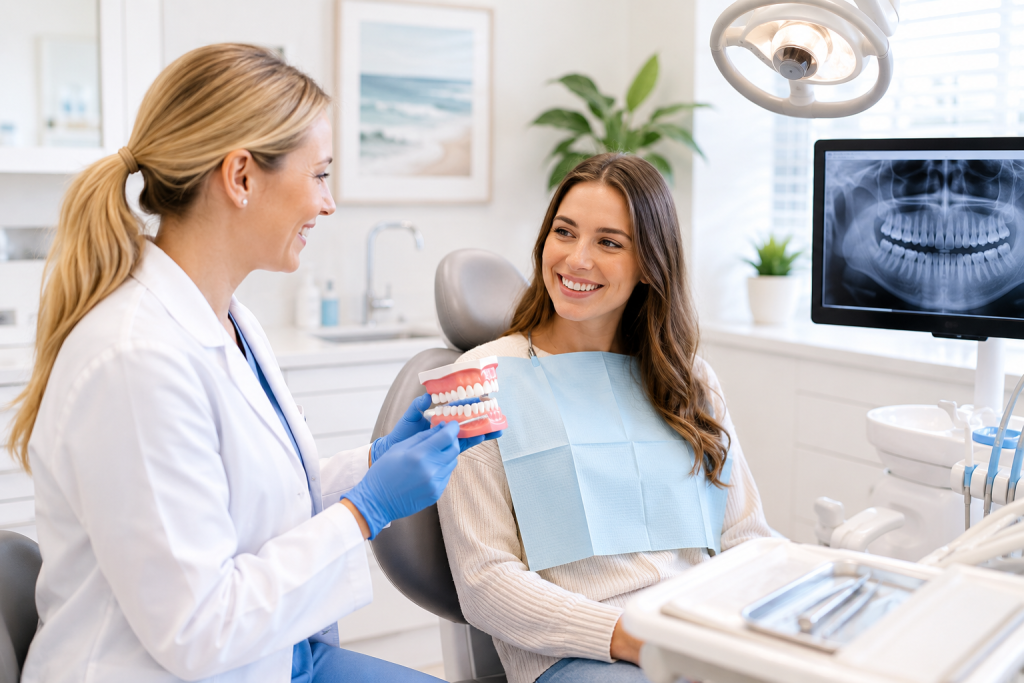
Looking for a family dentist in Manteca, CA means finding care that fits every age and every smile. They provide preventive check-ups, modern treatments like digital X-rays and same-day crowns, and compassionate care that keeps kids calm and adults comfortable. This article shows what to expect at appointments, which services local practices commonly offer, and how clinics create a welcoming environment for the whole family.
Trustworthy dental teams help you pick the right provider by explaining treatment options, insurance details, and practical preventive tips you can use at home. You’ll also learn how regular check-ups support lifelong oral health and simple next steps for scheduling a visit or asking questions.
What to Expect From a Family Dentist
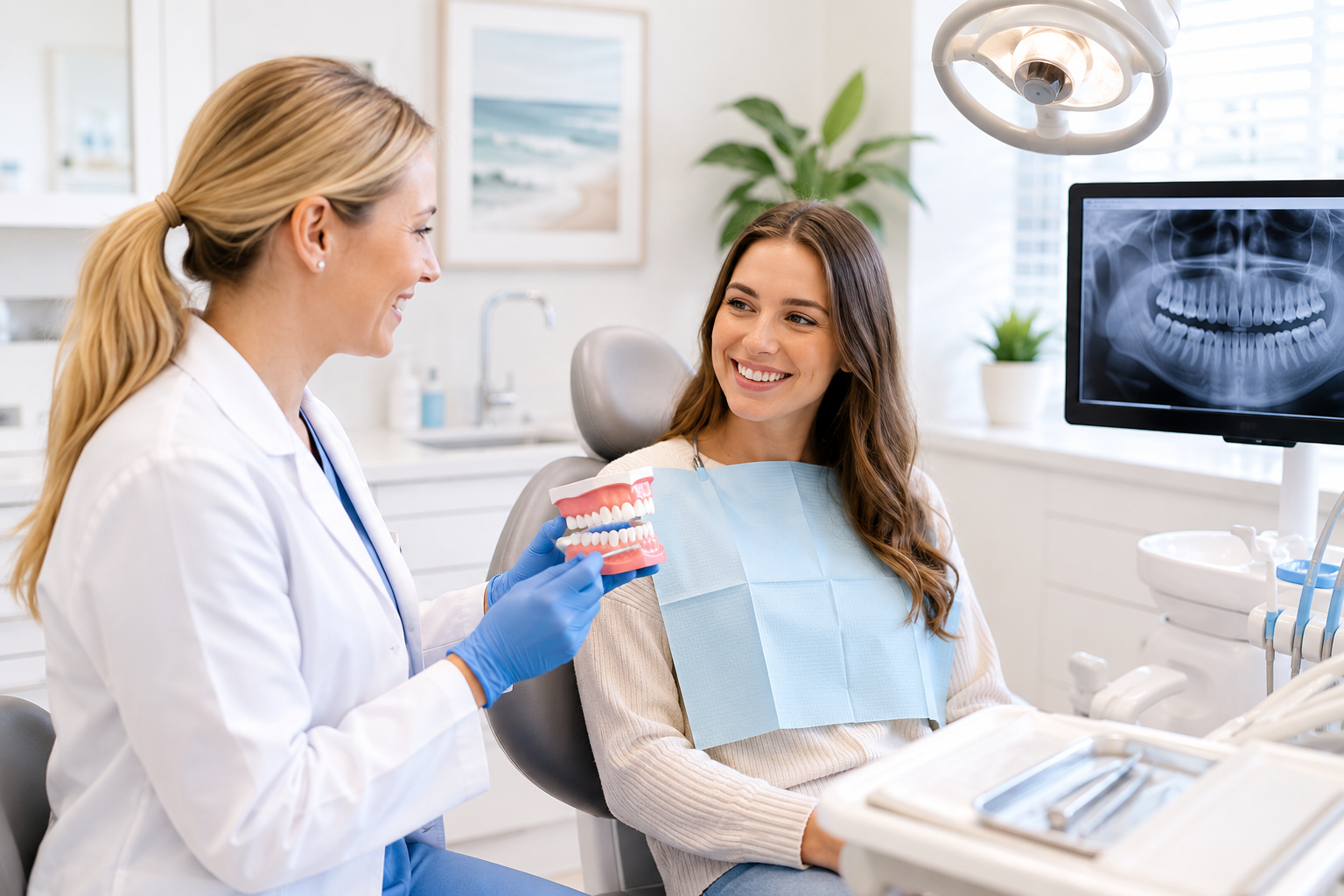
A family dentist provides routine checkups, age-appropriate treatments, and education to keep each family member healthy. Expect clear communication about procedures, costs, and home care steps tailored to children, adults, and seniors.
Comprehensive Care for All Ages
A family dentist sees infants through grandparents and offers services that span preventive care, restorations, and basic orthodontic monitoring. For children, expect fluoride varnish, sealants, and guidance on teething and thumb-sucking. For adults, routine cleanings, fillings, and crown work are common, along with screening for sleep apnea and gum disease.
Seniors receive attention for dry mouth, root decay, and denture maintenance or repairs. Practices often schedule appointments to minimize wait times for families and coordinate multiple family members on one visit. Many clinics keep digital records to track growth, prior X-rays, and treatment preferences across decades.
Personalized Treatment Plans
A family dentist builds treatment plans based on medical history, dental records, and lifestyle factors like diet and tobacco use. Plans will list recommended procedures, timelines, alternatives, and estimated costs. For example, a child with early cavities might get sealants plus a follow-up cleaning schedule, while an adult with bruxism could receive a custom night guard and bite evaluation.
Dentists typically discuss material choices (composite vs. amalgam, porcelain vs. metal crowns) and aesthetic goals. They also set realistic timelines for multi-step care—such as implants or orthodontics—and coordinate referrals to specialists when necessary. Patients get written care plans and instructions for at-home steps to support faster healing and better outcomes.
Emphasis on Preventive Dentistry
Preventive visits focus on cleaning, plaque and tartar removal, oral cancer screening, and targeted patient education. Dentists measure periodontal pockets, assess risk for cavities, and use bitewing X-rays to detect hidden decay. For children, preventive work includes diet counseling and habit management to reduce future treatments.
Clinics often offer preventive options like fluoride applications, professional sealants, and whitening consultations for adults who want cosmetic maintenance. They recommend recall intervals based on risk—usually every six months for low risk, more frequently for patients with active gum disease. Clear home-care instructions and coaching help patients maintain results between visits.
Modern Dental Services Available in Manteca CA
Patients can expect comfortable preventive care, fast digital diagnostics, and a range of cosmetic solutions tailored to smiles of all ages. Clinics emphasize gentle techniques, clear imaging, and esthetic results that balance appearance with long-term oral health.
Gentle Cleanings and Exams
Dental teams in Manteca prioritize comfort during routine hygiene visits. Registered dental hygienists use ultrasonic scalers to remove plaque and tartar with reduced scraping, while focused polishing restores smooth tooth surfaces. For anxious patients, many offices offer nitrous oxide or topical numbing gels to minimize sensitivity during cleaning.
Exams combine visual inspection with periodontal charting to measure gum pocket depths and check for recession. Clinicians document mobility, bite alignment, and wear patterns to detect bruxism or bite issues early. They also review medical history and medications to tailor care—important for patients with diabetes, heart conditions, or pregnancy.
Offices often use personalized oral hygiene coaching, demonstrating flossing techniques and recommending interdental tools or electric toothbrush models. Preventive plans include frequency recommendations (typically every six months) and targeted treatments like fluoride varnish for children or desensitizing agents for sensitive teeth.
Digital X-Rays and Advanced Diagnostics
Manteca practices commonly use digital radiography that cuts radiation exposure by up to 80% compared with film X-rays. Digital sensors produce instant, high-resolution images that the dentist can enlarge on a monitor to explain cavities, root anatomy, or bone levels clearly to patients.
Cone beam CT (CBCT) is available in many clinics for 3D imaging when planning implants, evaluating impacted wisdom teeth, or assessing complex root canals. Intraoral scanners capture precise 3D impressions without messy putty, speeding up crown, bridge, and aligner workflows and improving fit accuracy.
Caries detection devices and transillumination tools help find early decay between teeth without invasive probing. Software-integrated charting and secure patient portals let patients review images and treatment plans remotely, supporting informed decisions and faster insurance processing.
Cosmetic Dentistry Options
Cosmetic services in Manteca range from simple whitening to full smile makeovers executed with conservative techniques. Professional in-office whitening delivers predictable shade changes in one visit, while take-home kits with custom trays offer gradual results at home.
Veneers—thin porcelain or composite shells—address chips, gaps, and persistent discoloration. Dentists discuss preparation levels, longevity expectations, and maintenance before proceeding. For minor contouring, bonding repairs small defects with tooth-colored composite in a single appointment.
Orthodontic options include clear aligners for mild to moderate crowding and tooth movement, often supported by digital treatment simulation. For smile balance, clinicians may combine restorative and periodontal procedures—gum recontouring plus crowns or veneers—to achieve proportionate, natural-looking results.
Patients are advised to schedule a consultation to review photos, digital scans, and cost estimates so they understand timelines, aftercare, and realistic outcomes.
Creating a Comfortable and Welcoming Environment
The practice focuses on reducing fear and building trust through practical touches: a bright, organized waiting area, clear communication, and thoughtful staff training. Patients find predictable routines, friendly staff, and visible safety measures most reassuring.
Child-Friendly Approach
The office uses child-sized furniture, colorful wall art, and a small toy corner to make visits feel less clinical. Staff greet children by name when possible and use simple, positive language—“counting teeth” instead of “exam”—to explain procedures.
Pediatric supplies like flavored fluoride varnish and smaller exam mirrors help procedures go smoothly. The team offers short, one-on-one acclimation visits for new kids to meet the dentist, sit in the chair, and watch a cleaning before any treatment begins.
Parents receive clear, written care tips for home: brushing cadence, recommended toothpaste fluoride levels by age, and when to schedule the next visit. Billing and appointment options include brief visit windows and reminder texts to reduce wait times for families.
Calming Techniques for Anxious Patients
The office uses several evidence-based methods to ease anxiety: pre-visit walkthroughs, written treatment plans, and stepwise agreements about stopping if the patient needs a break. Dentists explain each step before touching instruments and check for comfort frequently.
They offer comfort options like weighted blankets, noise-cancelling headphones with music, and sunglasses to reduce glare from the operatory light. For more severe anxiety, clinicians discuss nitrous oxide, oral sedatives, or short IV sedation referrals—each explained with risks, benefits, and recovery expectations.
Staff practice verbal reassurance techniques and teach simple breathing exercises patients can use in the chair. Clear post-visit instructions and a direct phone line for follow-up questions help patients feel supported after treatment.
How to Choose the Right Family Dentist
Choosing a family dentist comes down to three practical concerns: credentials and experience, what other patients say, and how the office fits into daily life. Focus on measurable qualifications, recent patient feedback, and clinic hours/location that match school, work, and family routines.
Evaluating Experience and Qualifications
Look for a dentist licensed in California with active records on the Dental Board of California website. Note years in practice and any specialty certifications — for example, pediatric dentistry or sedation training — that match family needs.
Inspect the practice’s procedures list. A family dentist should offer routine care, fluoride treatments for children, sealants, emergency care, and restorative services like crowns and fillings. Ask whether the dentist performs in-house procedures (e.g., simple extractions) or refers out.
Check staff credentials too. Hygienists and dental assistants should hold current certifications. Inquire about continuing education: dentists who take courses in pediatric behavior management, digital X-rays, or implant care stay current with safer, more comfortable options.
Tour the office if possible. Note infection-control protocols, modern equipment (digital X-rays, intraoral cameras), and whether treatment rooms feel child-friendly. These concrete details show whether the practice can reliably handle the everyday and unexpected needs of a family.
Considering Patient Reviews and Testimonials
Read multiple review sources: Google, Yelp, Healthgrades, and the practice’s website. Look for consistent themes across reviews — wait times, bedside manner, effectiveness of treatment, and how staff handle anxious children are especially informative.
Prioritize recent reviews from patients with similar needs. Families often mention school-aged children, toddlers, or seniors; compare those details to your household. Pay attention to how the practice responds to negative reviews: courteous, solution-focused replies indicate professional patient care.
Use testimonials selectively. Staff-written or cherry-picked quotes can mislead. Instead, focus on specific stories that mention procedures, outcomes, and timelines. Combine reviews with your direct observations from a phone call or visit to form a fuller picture.
Convenient Location and Office Hours
Choose a location near home, school, or work to simplify appointments. A clinic situated within a 15–20 minute drive reduces missed visits and stress for children. Check parking availability and accessibility for strollers or wheelchairs.
Compare office hours to your family’s schedule. Look for early morning, evening, or Saturday slots if parents work typical business hours. Confirm emergency or same-day appointment policies — knowing how the office handles after-hours toothaches or injuries matters.
Assess appointment flow and wait times. Practices that offer online booking, appointment reminders, and minimal wait times save time and reduce anxiety. These logistical details often determine whether a dentist truly fits a busy family life.
Preventive Tips for Maintaining Healthy Smiles at Home
Daily habits determine most of a person’s oral health. Small, consistent steps—effective brushing, proper flossing, and smart food choices—prevent cavities, gum disease, and sensitivity.
Brushing and Flossing Routines
They should brush twice daily for two minutes using a soft-bristled brush and fluoride toothpaste. Hold the brush at a 45° angle to the gumline and use gentle circular motions; avoid aggressive scrubbing that causes enamel wear and gum recession.
Replace the toothbrush or electric brush head every three months or sooner if bristles splay. For electric brushes, use a timer or built-in pressure sensor; for manual brushes, set a phone timer to ensure a full two minutes.
Flossing once daily removes plaque between teeth where brushes miss. They can use traditional floss, floss picks, or interdental brushes—choose based on tightness of contacts and ease of use. Slide floss gently up and down each tooth surface and curve it into a C-shape around the tooth.
If they have braces, bridges, or implants, they should add interdental brushes or water flossers to reach under wires, around brackets, and along implant margins. Schedule a check with the dentist to review technique if bleeding, persistent plaque, or sensitivity occurs.
Healthy Nutrition for Strong Teeth
Frequent exposure to sugars and acids raises cavity risk; aim to limit sugary snacks and acidic drinks to mealtimes. When they do consume soda, juice, or sports drinks, use a straw and rinse with water afterward to reduce acid contact with enamel.
Choose calcium- and phosphorus-rich foods—milk, yogurt, cheese, lean meats, nuts, and beans—to help remineralize enamel. Crunchy fruits and vegetables like apples, carrots, and celery stimulate saliva and mechanically clean tooth surfaces between meals.
Offer sugar-free gum containing xylitol after meals to boost saliva flow and neutralize acids. Avoid constant snacking on sticky candies, dried fruit, or starchy chips; those substances cling to teeth and feed cavity-causing bacteria.
If they grind teeth at night, recommend avoiding caffeine and alcohol in the evening and discuss a custom night guard with the dentist. For children, encourage water as the main drink and use fluoride treatments or varnishes as advised during dental visits.
Importance of Regular Dental Check-Ups
Regular dental check-ups help catch problems early, when treatment is simpler and less costly. They prevent minor issues like cavities from becoming painful infections or requiring root canals.
A typical visit includes examination, professional cleaning, and X-rays if needed. These steps remove plaque and detect decay, gum disease, or bite problems before symptoms appear.
Dentists also screen for oral cancer and systemic signs of health issues. Changes in the mouth can reflect diabetes, nutritional deficiencies, or other conditions, so timely visits support overall health.
Children and seniors benefit from tailored check-up schedules. Kids need early exams to guide tooth development; older adults require monitoring for wear, dry mouth, and prosthetic care.
Many practices recommend visits every six months, but frequency can vary by individual risk. Patients with gum disease, a history of cavities, or certain medical conditions may need more frequent care.
Practical tips:
- Schedule appointments ahead to secure preferred times.
- Bring a list of medications and any dental concerns.
- Ask about pain-free options and modern treatments to ease anxiety.
They should feel encouraged to call or book an appointment to discuss personalized check-up plans and any questions about comfort, insurance, or preventive options.
Encouraging Lifelong Oral Health Habits
A family dentist in Manteca, CA helps patients build routines that last a lifetime. They emphasize simple daily habits—brushing twice, flossing once, and using fluoride toothpaste—to prevent common problems like cavities and gum disease.
They tailor advice to each age group. For children, they recommend parent-supervised brushing until about age eight and fun fluoride treatments to strengthen enamel. For teens, they focus on managing sugary drinks, sports mouthguards, and orthodontic checkups.
They reinforce habits with regular professional care. Routine cleanings every six months remove buildup that at-home care misses, while cariology risk assessments guide targeted prevention. Modern preventive tools, like sealants and fluoride varnish, reduce decay risk without invasive procedures.
They encourage practical strategies families can adopt today:
- Brush for two minutes with a soft brush, twice daily.
- Floss nightly or use interdental brushes if wider spaces exist.
- Limit sugary snacks and sip water between meals.
They support behavior change with positive reinforcement and realistic goals. Small wins—an extra flossing day or a cavity-free exam—help maintain motivation. Patients find that consistent, manageable steps lead to lasting oral health.
They invite questions and regular visits to tailor a plan for each family member. Contacting the Manteca office starts a personalized prevention program and ensures comfort-focused care for every stage of life.
Next Steps: Scheduling Your Visit
They can call the office during business hours or use the online booking form to reserve an appointment. Phone scheduling lets them ask about insurance, available times, and any urgent concerns right away.
They should have basic information ready: patient name, date of birth, preferred days, and insurance details if applicable. This speeds up check-in and helps the team prepare for their visit.
New patients often complete registration forms online before arriving. Completing forms in advance reduces waiting room time and lets the team review medical history, medications, and dental goals.
If someone needs a same-day or emergency appointment, they should mention the situation when calling. The practice typically reserves slots for urgent care and will advise whether to come in or manage pain at home until seen.
The office offers reminders by text, email, or phone to minimize missed appointments. They can request a reminder preference when booking to receive timely confirmations and easy rescheduling.
Patients curious about costs or payment options can ask the front desk about estimates, insurance filing, and financing. Staff will explain out-of-pocket amounts and available plans in clear terms.
Call-to-action: schedule an initial exam, request a virtual consult, or contact the team with questions about comfort measures and preventive care. The staff will guide them through the next steps and make the visit as comfortable as possible.
Frequently Asked Questions
This section answers practical concerns about choosing a family dentist, what to expect at visits, insurance and payment options, preventive care to avoid cavities and gum disease, modern tooth-replacement choices, and when to get prescriptions or urgent care. Each answer gives clear steps families can use right away.
How do I choose the right dentist for my family, especially if we have kids or anxious patients?
Look for a dentist with pediatric experience or a team that routinely treats children and nervous patients. Ask about techniques they use for comfort: nitrous oxide, short appointment times, behavior guidance, and a child-friendly office layout.
Check credentials and patient reviews specific to family care and anxiety management. Confirm they offer calming communication, allow parental presence, and create individualized plans for anxious patients.
What should I expect at a first visit, and how can I make it comfortable for my child?
Expect a medical and dental history review, a gentle exam, and usually X-rays if necessary. The dentist will assess growth, bite, and risk for decay, then recommend a cleaning and fluoride if appropriate.
Prepare your child by using simple, positive language and scheduling during their best time of day. Bring a familiar item, discuss a small reward afterward, and request the dentist use a “tell-show-do” approach.
Do you accept Medi-Cal or other insurance plans, and what are my payment options if I’m uninsured?
Many family dental offices accept commercial PPO plans; some accept Medi‑Cal depending on the clinic. Call the office to verify acceptance of your specific plan, copays, deductibles, and in-network benefits.
If uninsured, ask about in-office membership plans, sliding-scale fees, or payment plans through third-party financing. Offices often offer upfront cost estimates for exams, cleanings, and treatments.
What are the most common preventive services you recommend to avoid cavities and gum problems?
Routine professional cleanings every six months, individualized home-care instruction, and periodic fluoride treatments form the foundation. For children, dental sealants on molars prevent decay in the grooves.
Regular oral exams catch early gum inflammation and cavities; early treatment keeps procedures simpler and less costly. The dentist will also recommend brushing technique, flossing frequency, and product suggestions based on age and risk.
If I’m missing a tooth, what modern options are available—implants, bridges, or dentures—and how do I decide?
Dental implants replace a single tooth or support multiple teeth with titanium posts and crown restorations, offering a long-term solution that preserves bone. Fixed bridges span missing teeth using adjacent teeth for support, and removable dentures replace multiple or all teeth at lower initial cost.
Decide based on bone health, budget, treatment timeline, and long-term goals. The dentist will evaluate bone quantity with imaging, discuss expected lifespan, maintenance needs, and provide a comparative cost and timeline for each option.
Can a dentist prescribe medications for oral infections or yeast issues, and when should I call instead of waiting?
Dentists can prescribe antibiotics, antifungals, and topical treatments for dental infections, oral thrush, and post-procedure pain or swelling. They will choose medicines based on the diagnosis, allergies, and current medications.
Call the office or seek urgent care if there is fever above 101°F, spreading facial swelling, increasing pain despite medication, difficulty breathing or swallowing, or rapid worsening of symptoms. Those signs can indicate a serious infection that needs immediate attention.