
You can replace missing teeth in Manteca with dental implants that look, feel, and function like natural teeth. They provide a long-term solution that preserves jawbone health and restores confident smiles, often with predictable results and modern comfort-focused techniques.
The post explains what implants involve, compares them to bridges and dentures, and outlines what to expect during the procedure and recovery. It also covers local technology, cost considerations, caring for new teeth, and how to choose a trusted implant dentist in Manteca, so anyone considering implants can take clear next steps.
Understanding Dental Implants
Dental implants replace missing teeth with a stable root-like post, a prosthetic tooth, and supportive components. They restore chewing, speech, and appearance while preserving jawbone health.
How Dental Implants Work
A dental implant begins with a titanium or titanium-alloy screw that a dentist surgically places into the jawbone to act like a tooth root. Over 3–6 months, the bone fuses to the implant through osseointegration, creating a strong foundation for the visible tooth.
After integration, an abutment attaches to the implant and holds a crown, bridge, or denture. Crowns are custom-made from porcelain or zirconia to match nearby teeth in color and shape. Single-implant crowns, multi-unit bridges, and implant-retained dentures use the same basic sequence but differ in prosthesis design.
Immediate-load implants can sometimes receive a temporary crown the same day, but candidacy depends on bone quality and primary stability. Maintenance includes brushing, flossing, and routine dental visits; implants do not get cavities but can develop peri-implantitis if plaque control lapses.
Types of Dental Implants
Endosteal implants (placed in the bone) are the most common choice in Manteca, available as screw-type or cylinder-type fixtures. They suit single-tooth replacements and are the standard for most treatment plans.
Subperiosteal implants sit on top of the bone under the gum and serve patients with significant bone loss who cannot or prefer not to undergo grafting. Zygomatic implants anchor into the cheekbone for severely resorbed upper jaws and are used in select cases.
Restorations vary by need:
- Single crowns for one missing tooth
- Implant-supported bridges for several adjacent teeth
- Implant-retained overdentures for complete arches
Materials matter: titanium is proven and widely used; zirconia implants offer a metal-free option with good aesthetics but less long-term data. The dentist will recommend a type based on bone volume, general health, budget, and aesthetic goals.
Who Is a Good Candidate
Ideal candidates are adults with one or more missing teeth, adequate jawbone volume, and good overall health. Controlled chronic conditions like diabetes are not automatic exclusions but require closer medical coordination.
Smokers have higher failure risks; quitting or reducing tobacco improves outcomes. Sufficient bone may be created with grafting when natural volume falls short, expanding candidacy to many patients.
Patients should have healthy gums free of active periodontal disease before implant placement. A comprehensive dental exam, 3D imaging, and medical history review determine whether implant therapy suits an individual’s oral and systemic health.
Benefits of Choosing Implants Over Other Options
Dental implants replace missing teeth with a fixed, bone-integrated solution that preserves jaw structure, restores chewing function, and looks like natural teeth. They reduce the need to alter adjacent teeth, stabilize surrounding bone, and offer predictable long-term outcomes when placed and cared for properly.
Improved Oral Health
Dental implants fuse to the jawbone through osseointegration, which helps maintain bone volume and facial structure. Unlike bridges, implants do not require grinding down healthy neighboring teeth, so they preserve more natural tooth structure.
Implants also reduce the risk of shifting teeth and bite problems that occur after tooth loss. Patients benefit from easier hygiene routines because implants allow for routine brushing and flossing similar to natural teeth, lowering decay and gum disease risk on adjacent teeth.
Dentists often choose implants when preserving periodontal health is a priority. Proper placement and periodic professional maintenance keep surrounding gums and bone healthier than many removable options.
Enhanced Confidence and Appearance
Implant crowns are custom-matched for color, shape, and size, creating a natural-looking smile. Because implants are fixed and stable, patients speak, laugh, and eat without worrying about slippage or adhesives common with dentures.
Replacing a visible front tooth with an implant eliminates the dark gaps and sunken appearance that come from bone loss. This can restore a patient’s facial proportion and make them feel more comfortable in social and professional settings.
Psychologically, many patients report improved self-esteem after implant restoration. The secure fit and lifelike appearance reduce daily anxiety about oral function and appearance.
Long-Term Reliability
When placed by a trained clinician and cared for with daily oral hygiene and regular check-ups, implants often last decades. Titanium and zirconia implant materials resist corrosion and integrate with bone, providing a stable foundation that outperforms many alternative restorations.
Failure rates are low when medical factors like smoking, uncontrolled diabetes, or poor bone quality are managed beforehand. Salvage and maintenance options—such as periodic professional cleanings, occlusal adjustments, and replacement of the crown rather than the implant—make long-term planning predictable.
Financially, implants can be more cost-effective over time because they reduce the need for repeated repairs or replacements common with bridges and removable dentures.
What to Expect During the Implant Process
Patients can expect a stepwise approach that begins with detailed assessment and planning, moves through surgical placement and restoration, and includes predictable recovery steps with clear aftercare instructions. The process focuses on comfort, precise imaging, and a timeline tailored to bone health and restorative goals.
Initial Consultation and Planning
The first visit includes a clinical exam, digital X-rays, and a CBCT scan when needed to evaluate bone height, width, and nerve location. The dentist reviews medical history, current medications, and oral health issues such as gum disease or adjacent tooth conditions that may affect implant success.
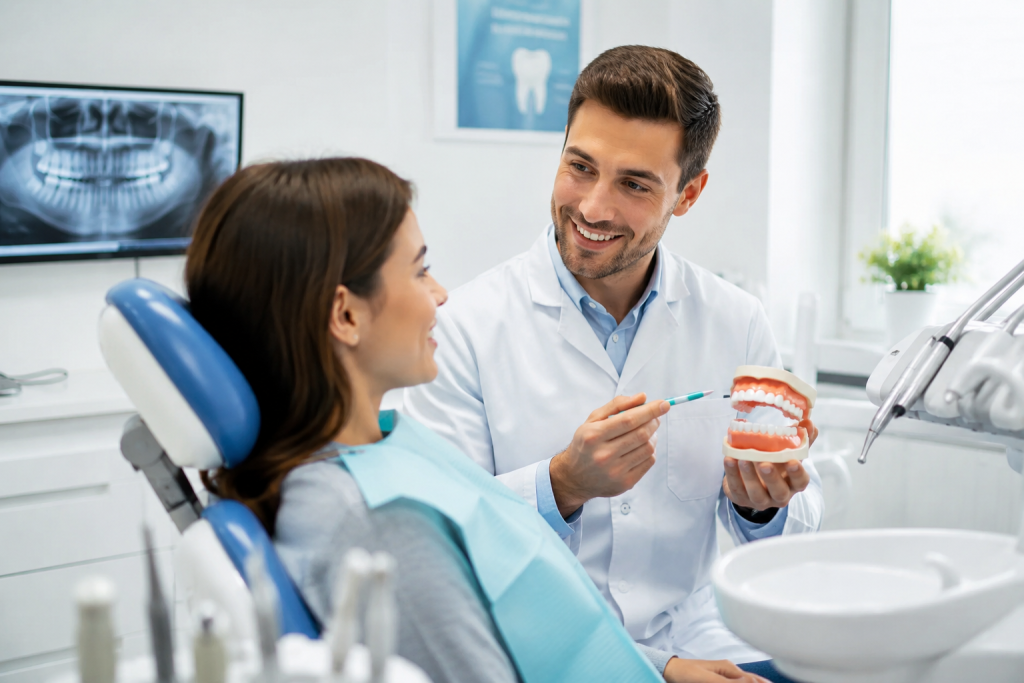
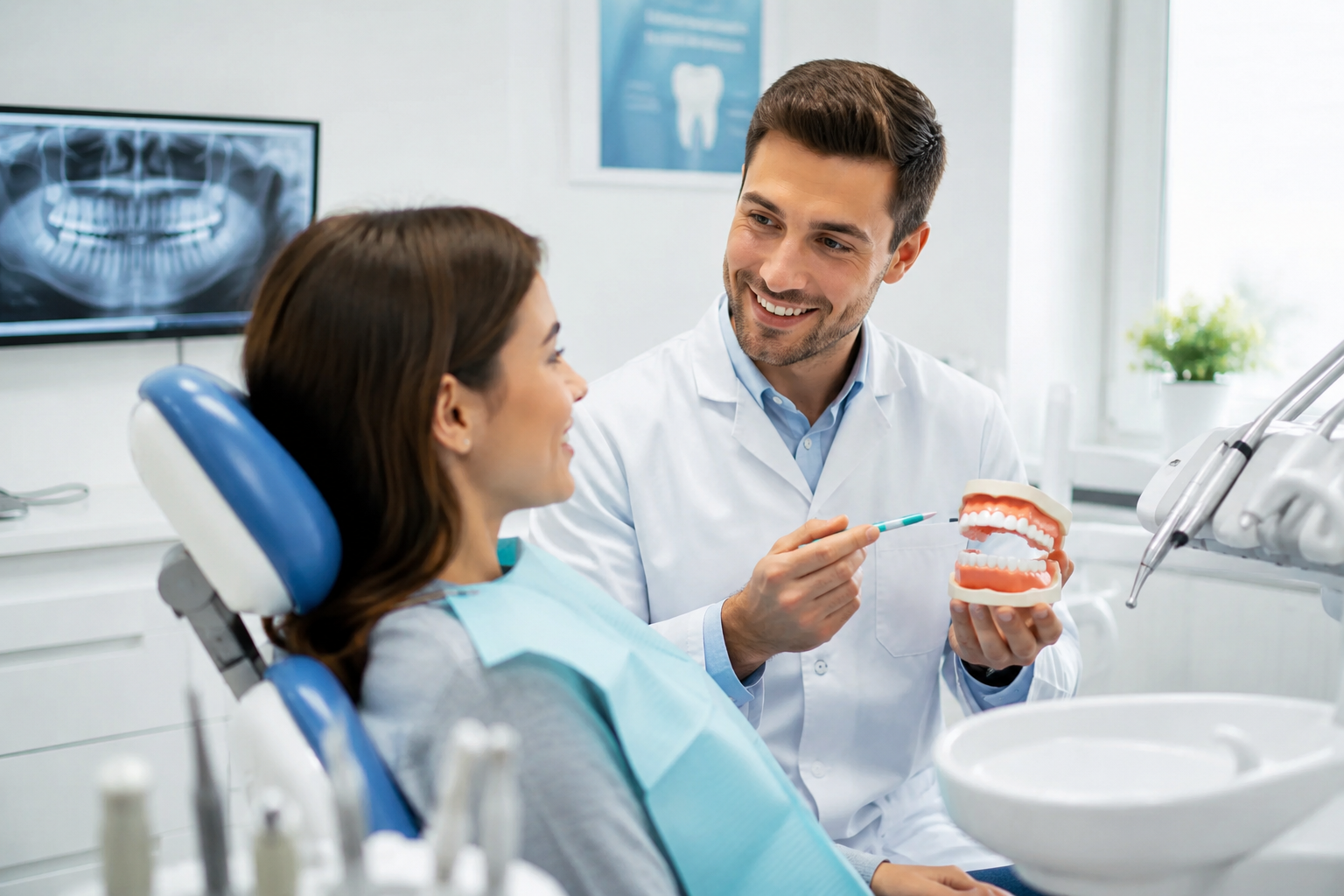
Treatment options get explained with visual aids and models, including implant size choices and whether bone grafting or sinus lift is required. The clinician provides a written treatment plan with costs, estimated timeline, and anesthesia choices—local, nitrous oxide, or IV sedation—so patients know what to expect financially and clinically.
Pre-operative instructions cover antibiotics if indicated, smoking cessation, and fasting rules for sedation. The practice often sends a checklist and contact information for questions to reduce anxiety and improve readiness for the procedure.
Step-by-Step Treatment Timeline
Day of surgery: implant placement typically takes 30–90 minutes per site. The clinician numbs the area with local anesthesia and may offer sedation; then they place the titanium implant into the jawbone and close the gum with stitches or a healing cap.
Osseointegration phase: the implant bonds with bone over 3–6 months in the lower jaw and sometimes 4–8 months in the upper jaw. Temporary crowns or bridges can be provided to maintain appearance and function during healing, depending on primary stability and case complexity.
Abutment and restoration: after sufficient healing, the dentist attaches an abutment and takes digital impressions for the final crown, bridge, or denture. Final prosthetics are adjusted for bite and appearance; color matching ensures a natural look.
Complex cases may add steps such as bone grafting (3–6 months healing) or sinus augmentation (4–9 months), which the plan specifies upfront to set realistic expectations.
Recovery and Aftercare
Immediate post-op instructions include biting on gauze for one hour, applying ice packs intermittently for 24 hours, and taking prescribed pain medication or OTC ibuprofen as directed. Swelling and mild bruising peak at 48–72 hours and then gradually improve.
Oral hygiene: patients rinse with warm salt water beginning 24 hours after surgery and gently brush adjacent teeth; avoid vigorous rinsing for the first week. Stitches may be dissolvable or removed in 7–10 days; follow-up visits check healing and suture status.
Diet and activity: eat soft foods for 1–2 weeks and avoid chewing directly on the implant site until the clinician permits. Refrain from heavy lifting and strenuous exercise for 48–72 hours to limit bleeding and swelling.
Long-term care: maintain routine dental cleanings every 3–6 months initially, then as recommended, and use interdental brushes around the implant. Smoking cessation and good periodontal maintenance significantly improve implant longevity.
Modern Technology and Techniques in Manteca
Dental practices in Manteca use detailed imaging and less invasive surgical methods to improve outcomes, reduce recovery time, and enhance patient comfort.
Advanced Imaging for Precision
Clinics in Manteca commonly use cone beam computed tomography (CBCT) to create 3D scans of the jaw, nerves, and sinus cavities. These scans let the dentist measure bone volume precisely and plan implant placement to avoid nerve injury or sinus perforation.
Digital intraoral scanners replace traditional molds for many patients. Scanners capture accurate impressions in minutes, improving the fit of crowns and abutments and reducing the need for remakes.
Some specialists combine CBCT with guided surgery software to produce surgical guides. These guides translate the digital plan into exact drilling locations, angles, and depths, which increases implant accuracy and shortens chair time.
Minimally Invasive Procedures
Many Manteca providers favor flapless implant placement when anatomy allows. Flapless techniques limit gum incision, reduce bleeding, and often mean less postoperative swelling and faster healing for patients.
When bone is insufficient, clinicians use ridge preservation and grafting with materials such as allograft or xenograft. They may also place short or narrow-diameter implants to avoid extensive augmentation, which shortens treatment time.
Sedation options range from oral anxiolytics to IV sedation, tailored to patient comfort and medical history. Local anesthesia combined with modern techniques keeps procedures comfortable while minimizing overall recovery.
Comfort and Support Throughout Your Journey
This practice emphasizes gentle treatment, clear communication, and practical support from the first consultation through recovery. Patients can expect tailored pain control, step-by-step explanations, and resources to make appointments and aftercare manageable.
Patient-Focused Care Approach
The dental team evaluates each patient’s medical history, jawbone anatomy, and lifestyle before recommending implants. They use CBCT scans and digital impressions to design an implant plan that matches facial structure and chewing needs, reducing surprises during surgery.
Appointments follow a predictable schedule: consultation, imaging, implant placement, and follow-up prosthetic delivery. Each visit includes written care instructions, medication plans, and a single point of contact for questions. Financial coordinators outline out-of-pocket costs, insurance estimates, and payment plans before treatment starts.
Clinicians prefer evidence-based techniques such as guided implant surgery when appropriate. Guided placement improves accuracy and often shortens chair time. Local anesthesia and optional sedation choices are reviewed to balance comfort with medical safety.
Managing Dental Anxiety
Staff screen for anxiety at the first visit to tailor comfort measures. They offer several options: nitrous oxide for mild anxiety, oral sedatives for moderate anxiety, and monitored IV sedation for those with higher needs or complex procedures.
The clinic practices progressive communication: the dentist explains each step before it happens and checks comfort frequently during the procedure. Short breaks and calming music are available, and many patients report that these small controls reduce perceived duration and stress.
Pre-procedure instructions include fasting if sedation is planned and arranging a responsible driver post-op. Postoperative pain control relies on a combination of local anesthesia, short courses of NSAIDs, and clear guidance on when to call the office if pain escalates.
Support Resources for Patients
Patients receive a printed and emailed care packet covering wound care, diet progression, and signs of complications. The packet lists emergency contact numbers, typical healing timelines, and instructions for managing common issues like swelling or bruising.
A nurse-led phone call typically occurs 24–48 hours after surgery to review symptoms and medication use. The practice also offers online appointment scheduling, secure messaging for non-urgent questions, and telehealth follow-ups when appropriate.
For financing, the office provides cost breakdowns, estimates for implant systems used (such as single implants versus implant-retained bridges), and details on third-party dental financing and in-house payment plans. Support staff help with insurance preauthorization to reduce unexpected bills.
Cost Factors and Financing Options
Prices vary by implant type, bone grafting needs, provider experience, and lab fees. Financing choices include dental insurance, medical credit, in-office plans, and third-party lenders — each with different coverage levels and terms.
Understanding Treatment Costs
Dental implant costs in Manteca, CA often start with an initial consultation and CBCT scan, usually $100–$300. A single endosteal implant post typically ranges from $1,200 to $2,500; abutment and crown add $800–$2,000 depending on materials like zirconia or porcelain-fused-to-metal.
If bone grafting or sinus lift is required, add $300–$1,200 per site. Tooth extraction costs $150–$500 for routine removal and more for surgical extractions. Complex full-arch solutions (All-on-4/All-on-6) commonly run $15,000–$35,000 per arch.
Experienced implant dentists and prosthodontists may charge higher fees but often reduce risk of complications and need for rework. Labs producing custom crowns and precision attachments also affect final price. Patients should request an itemized estimate covering scans, surgery, components, lab fees, and follow-up visits.
Insurance Coverage Insights
Most dental insurance plans treat implants as elective and cap coverage; typical annual maximums of $1,000–$2,000 rarely cover full implant costs. Some plans may pay a portion for the crown or for extractions related to the implant procedure.
Medical insurance can cover implants when tooth loss results from an accident or medically necessary conditions; documentation and preauthorization are usually required. Patients should submit predetermination claims and keep all treatment records to improve approval chances.
Financing options commonly used in Manteca include CareCredit, local medical credit cards, and in-office payment plans that split costs over several months. Compare interest rates, deferred-interest terms, and total repayment amounts before signing.
Caring for Your New Smile
Daily attention to brushing, flossing, and avoiding hard or sticky foods preserves implant function and looks. Regular at-home care combined with professional checkups keeps surrounding gums healthy and prevents complications.
Daily Maintenance Tips
Brush twice daily using a soft-bristled toothbrush and a low-abrasive fluoride toothpaste. Hold the brush at a 45° angle and use gentle circular motions around the implant crown and gumline to remove plaque without damaging tissue.
Floss daily with implant-specific floss, a floss threader, or interdental brushes sized to fit the gap. Clean under and around the prosthetic crown to prevent food traps and bacterial buildup.
Rinse once daily with an alcohol-free antimicrobial mouthwash if recommended by the dentist. Avoid abrasive powders, whitening strips directly on the implant crown, and chewing ice or very hard foods that can fracture the prosthetic.
Quit smoking or reduce tobacco use; smoking increases risk of peri-implant inflammation and implant failure. Maintain good nutrition and stay hydrated to support gum health and healing.
Preventive Visits and Long-Term Health
Schedule professional exams and cleanings every 3–6 months or as the dentist prescribes based on risk factors. During visits, the clinician will check implant stability, measure gum pocket depths, and take radiographs when needed to monitor bone levels.
Professional cleanings use instruments safe for implants (plastic or specially coated scalers) to remove calculus without scratching the implant surface. The hygienist will also demonstrate home-care adjustments and assess wear on the prosthesis.
Report any signs of trouble immediately: persistent redness, swelling, bleeding, loosening, or pain around the implant. Early treatment of peri-implant mucositis can prevent progression to peri-implantitis, which requires more intensive therapy.
Keep records of implant brand and date of placement; this helps the dental team plan maintenance or repairs. They may recommend periodic occlusal checks to protect the implant from excessive bite forces.
Finding a Trusted Implant Dentist in Manteca
Patients should look for a dentist who specializes in dental implants and has documented experience placing and restoring them. Check for credentials like fellowship or residency training in implant dentistry, and ask how many implant cases the office handles each year.
Reading patient reviews and before-and-after photos helps set realistic expectations about outcomes and office care. Positive feedback about comfort, communication, and follow-up care often matters more than marketing claims.
Confirm that the practice uses modern imaging, such as CBCT scans, to plan implant placement accurately. Advanced technology reduces surprises and helps tailor treatment to each patient’s anatomy.
Verify whether the office offers sedation options and clear pain-management protocols for anxious or sensitive patients. Comfort measures and a well-trained team can make treatment less stressful and recovery smoother.
Ask about warranties, financing, and what’s included in the quoted fee—restoration, follow-up visits, and any required bone grafting. Transparent pricing and written treatment plans prevent unexpected costs.
Use this quick checklist when calling clinics:
- Ask about implant training and annual case volume.
- Request to see photos of previous implant patients.
- Confirm imaging, sedation, and post-op care options.
- Get a written treatment plan and cost breakdown.
They should schedule a consultation to review options in person and discuss concerns. A short visit often clarifies trust, compatibility, and the next steps toward restoring a confident smile.
Next Steps for Restoring Your Confidence
They should schedule a consultation with a local implant dentist who can evaluate bone health, review medical history, and discuss goals. This visit clarifies options like single implants, implant-supported bridges, or full-arch restorations.
A clear treatment plan helps set expectations for timeline, costs, and comfort measures. Many practices offer sedation options and digital planning to make the process gentler and more predictable.
Patients should ask about financing, warranties, and what is included in follow-up care. Understanding maintenance—daily hygiene and periodic professional checks—protects the investment and oral health.
Before treatment, a second opinion can provide reassurance and compare approaches. Bringing a list of questions and current medications makes appointments more efficient and informative.
To prepare mentally and physically, they should stop smoking and address any uncontrolled health conditions. Good general health supports healing and long-term implant success.
Encourage them to call or message their chosen dental office to book an exam or request digital scans. A short conversation often answers immediate concerns and moves them one step closer to smiling with confidence again.
Frequently Asked Questions
This section answers common practical concerns about costs, timelines, medical eligibility, bone considerations, planning rules, and how to pick a local implant dentist. Each answer gives specific factors, typical ranges, and clear next steps for patients in Manteca, CA.
How much does a single-tooth implant typically cost in California, and what factors can change the price?
A single-tooth implant in California generally ranges from $3,000 to $6,000 for implant placement plus the abutment and crown. San Joaquin County pricing often falls near the state median, but downtown or specialty practices may charge more.
Factors that change price include implant brand and material, need for bone grafts or sinus lifts, complexity of the extraction, use of guided surgery or CBCT scans, and whether sedation or same-day temporary teeth are provided. Dental insurance may cover part of the crown or removal but rarely the implant fixture; dental financing and in-office payment plans commonly reduce upfront cost.
What does the dental implant process look like from consultation to final crown, and how long does it usually take?
The process starts with a consultation, exam, and CBCT scan to evaluate bone and anatomical structures. If extraction or grafting is needed, those procedures occur first; bone grafts add 3–6 months of healing on average.
Implant placement follows with a healing period of roughly 3–4 months for the lower jaw and 4–6 months for the upper jaw before abutment and crown placement. Immediate implants or same-day temporaries shorten visible gaps but still often require several months before the final crown is placed.
Am I a good candidate for implants if I have an autoimmune condition, and what precautions help keep treatment safe?
Patients with controlled autoimmune conditions can often receive implants, but each case requires medical clearance from the patient’s physician. Medications such as immunosuppressants or corticosteroids can raise infection risk and slow healing.
Precautions include close coordination with medical providers, possible antibiotic prophylaxis, careful implant selection and placement to minimize surgical time, and extended follow-up. Smoking cessation and good oral hygiene further reduce complications.
Can implants still work if I have osteopenia or low bone density, and when would bone grafting be recommended?
Low bone density does not automatically rule out implants; many patients with osteopenia receive successful implants. A CBCT scan measures bone height and width to determine whether the jaw can support an implant.
Bone grafting is recommended if there is insufficient bone volume for primary implant stability or to restore lost ridge anatomy after extraction. Grafting adds healing time but improves long-term implant success and allows placement in areas otherwise unsuitable.
What is the “3-2 rule” for dental implants, and how might it apply to my treatment plan?
The “3-2 rule” commonly refers to allowing at least 3 months of healing in the mandible and 2 months in the maxilla before loading an implant; some clinicians reverse those numbers based on bone quality. It’s a guideline for timing implant loading to balance osseointegration and patient needs.
Clinicians tailor the rule to the patient’s bone density, implant design, and whether immediate loading is planned. The final timeline depends on the dentist’s assessment of stability and risk, not a fixed calendar.
How do I choose the right implant dentist locally—what should I look for in reviews, experience, and technology?
Look for a dentist or specialist who lists implant placement and restoration as a regular part of their practice, with many documented cases and before/after photos. Check patient reviews for details about pain management, communication, follow-up care, and outcomes rather than general praise.
Verify use of modern diagnostics such as CBCT, digital impressions, and guided-surgery workflows; these technologies improve planning and precision. Confirm clear cost breakdowns, available financing, and willingness to coordinate with medical providers when needed.
If questions remain, schedule a consultation with a clinic to review the CBCT, treatment options, and personalized timeline.