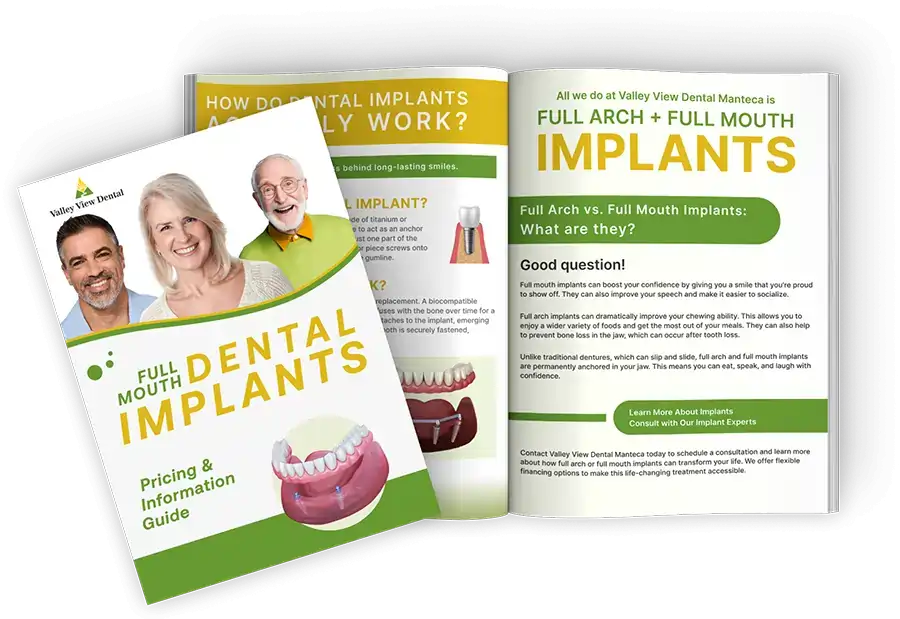
50% OFF INVISALIGN, 50% OFF DENTAL IMPLANTS

Emergency Dental Services Manteca CA: Quick Care for Your Dental Emergencies

When a dental emergency strikes in Manteca, CA, quick access to reliable care can make all the difference. Whether it’s a sudden toothache, a knocked-out tooth, or an unexpected injury, knowing where to turn ensures patients don’t have to wait in pain.

Emergency dental services in Manteca provide prompt treatment to relieve pain, prevent further damage, and restore oral health as soon as possible. These services are designed to handle urgent situations outside of regular dental appointments with skilled professionals ready to help.

Patients can expect compassionate care that prioritizes comfort and uses modern techniques to address their emergencies efficiently. If a dental crisis arises, reaching out early can lead to better outcomes and peace of mind.

What Are Emergency Dental Services in Manteca, CA?

Blog image

Emergency dental services in Manteca, CA, focus on quick, effective treatment to relieve pain, prevent infection, and save damaged teeth. These services cover a range of urgent dental problems that require immediate attention to avoid worsening conditions.

Types of Dental Emergencies Treated

Manteca emergency dentists handle various urgent issues, including severe toothaches, knocked-out teeth, broken or chipped teeth, and lost fillings or crowns. They also treat abscesses, which are painful infections that can spread if left untreated.

Other emergencies include injuries from accidents or sports, which might involve damage to braces or soft tissues inside the mouth. Emergency care ensures these problems don’t lead to lasting damage or complicated treatments down the road.

How Emergency Dentists Help

Emergency dentists in Manteca provide immediate pain relief and stabilize the affected area. They use advanced tools to clean wounds, stop bleeding, and limit infection risk. For tooth fractures or dislodgements, they often attempt to repair or reattach teeth.

If extraction is necessary, they perform it carefully to minimize discomfort. Follow-up care plans include medication, instructions for home care, and scheduling repairs or restorations to restore dental health fully.

Common Causes of Dental Emergencies

Dental emergencies often arise from accidents, like sports injuries or falls, which can crack or dislodge teeth. Sudden tooth pain frequently results from untreated cavities progressing to infection or decay reaching the nerve.

Poor oral hygiene and delayed dental visits can lead to abscesses or severe gum disease. Sometimes, dental work such as broken crowns or lost fillings leads to discomfort and urgent repair needs. Knowing the cause helps prevent repeat emergencies.

When to Seek Emergency Dental Care

Knowing exactly when to get emergency dental help can save teeth and reduce pain. Some injuries or symptoms require immediate professional care, while others can wait for a routine dental visit.

Recognizing Signs You Need Immediate Attention

If a tooth is knocked out, save it and get to a dentist immediately. Severe pain that doesn’t improve with over-the-counter painkillers or swelling around the face and neck can signal infection or abscess needing urgent care.

Uncontrolled bleeding after an injury or tooth extraction also calls for emergency treatment. Sudden loosening of a tooth following trauma or intense, persistent toothache disrupting sleep should prompt a quick dental visit.

What Is Not a True Dental Emergency

Mild tooth sensitivity or slight discomfort after dental work usually isn’t an emergency. Small chips or cracks that don’t cause pain can often wait for regular appointments.

Loose dental crowns or fillings causing no pain rarely need immediate attention. Temporary discomfort from braces adjustment or minor gum irritation can also be managed until the next scheduled visit.

What to Do During a Dental Emergency

Knowing how to act quickly and carefully can help reduce pain and prevent further damage during a dental emergency. Basic steps like stopping bleeding, protecting teeth, and managing pain make a big difference before professional care is available.

Immediate Steps for Common Emergencies

For a knocked-out tooth, rinse it gently with water without scrubbing. If possible, place the tooth back in its socket or keep it in milk or saline to preserve it until reaching the dentist.

For broken or chipped teeth, save any fragments and avoid chewing on that side. If bleeding occurs, apply gentle pressure with a clean cloth or gauze to control it.

In cases of severe toothache, rinse the mouth with warm salt water to clean the area and use a cold compress on the cheek to reduce swelling. Avoid placing aspirin directly on the gums; this can cause burns.

How to Manage Pain and Swelling

Pain relief starts with over-the-counter medications like ibuprofen or acetaminophen, following the recommended dosage. Applying a cold pack to the outside of the mouth helps decrease swelling and numbs discomfort.

Avoid hot, cold, or sugary foods that can worsen sensitivity. Eating soft foods and sticking to liquids can reduce irritation until professional treatment is available.

If swelling spreads to the face, neck, or causes difficulty breathing, it’s critical to seek emergency medical care immediately, as this can indicate infection beyond dental issues.

Modern Emergency Treatments Available

Emergency dental care in Manteca, CA, relies on the latest technology and techniques to promptly relieve pain and restore damaged teeth. These treatments aim to provide effective relief while minimizing discomfort and preserving natural teeth whenever possible.

State-of-the-Art Pain Relief Options

Modern emergency dental offices use a range of pain management strategies tailored to each patient’s needs. Local anesthetics like lidocaine are administered to numb the affected area quickly, ensuring immediate comfort during procedures.

For patients with dental anxiety or severe pain, sedation methods such as nitrous oxide (laughing gas) or oral sedatives may be offered. These help relax patients without putting them completely to sleep, making treatment smoother and less stressful.

Additionally, some dental clinics utilize digital imaging for faster diagnosis, which reduces appointment times and discomfort. Non-opioid painkillers are often recommended post-treatment to manage ongoing pain safely.

Advanced Restorative Procedures

When a tooth is cracked, knocked out, or severely decayed, emergency dentists in Manteca use advanced techniques to restore function and appearance. Dental bonding fills minor chips and cracks with tooth-colored resin, providing a quick, natural look.

For more significant damage, dentists may place crowns or perform root canal therapy to save the tooth and prevent infection. Crowns protect weakened teeth with custom-fitted caps made from durable materials like porcelain or ceramic.

In cases of tooth loss, immediate temporary solutions like dental bridges or implants are sometimes available. These help maintain oral health and prevent shifting of surrounding teeth while planning permanent restorations.

Choosing the Right Emergency Dentist in Manteca

Finding an emergency dentist you can rely on means focusing on qualities that ensure comfort and effective care. Accessibility is another key factor, especially when dental problems can happen any time. Both help make a stressful situation easier and get you the relief you need faster.

Qualities to Look For

A good emergency dentist in Manteca should combine skill with a gentle approach. Look for dentists who have experience handling urgent cases like fractured teeth, severe pain, or infections. A calm, patient-centered attitude helps reduce anxiety during treatment.

Modern equipment is important too. Dentists who use up-to-date tools can diagnose problems quicker and offer less invasive treatments. Positive patient reviews often highlight the dentist’s ability to explain procedures clearly and make patients feel safe.

Emergency dentists who offer a range of services—from extractions to root canals—ensure you get comprehensive care without wait times or referrals. Board certification and continuing education show dedication to staying current in dental emergencies.

Accessibility and Hours

Emergency dental problems rarely follow a 9-to-5 schedule. Select a dentist in Manteca with convenient hours, including evenings, weekends, or even same-day appointments. Quick access can drastically reduce pain and prevent further damage.

Check if the practice has a direct phone line or an online booking system for emergencies. Some dentists also provide after-hours advice or on-call services, which can be crucial during off times.

Location matters too. A dental office that’s easy to reach from home or work minimizes additional stress when you’re already uncomfortable or in pain. Availability of parking and wheelchair access can also improve your visit experience.

Preventing Dental Emergencies

Taking active steps daily can greatly reduce the risk of dental emergencies. Simple, consistent habits help protect teeth from damage and pain, saving time and discomfort in the long run.

Oral Hygiene Habits

Brushing teeth at least twice a day with fluoride toothpaste removes plaque and bacteria that cause decay and gum disease. Flossing daily reaches tight spaces between teeth where cavities often start.

Using a soft-bristled toothbrush prevents enamel wear and gum irritation. Regular dental check-ups allow early detection and treatment of small problems before they become emergencies.

Avoiding excessive sugar and acidic foods reduces the risk of tooth decay. Rinsing with water after meals helps wash away food particles and saliva neutralizes harmful acids.

Protective Gear for Teeth

Wearing a mouthguard during sports or physical activities cushions teeth from impact. Custom-fitted guards from a dentist provide better protection than store-bought options.

Night guards prevent teeth grinding, which can cause fractures and jaw pain over time. They create a barrier that absorbs pressure and protects enamel.

Using helmets and face shields adds extra protection in high-risk activities. Preventing trauma with proper equipment lowers the chance of chips, cracks, and tooth loss.

Encouraging protective habits is essential to avoid avoidable dental emergencies.

What to Expect During Your Emergency Visit

When you arrive for emergency dental care in Manteca, the team will act quickly to understand the problem and provide relief. They focus on making you comfortable and explaining each step clearly, so you know what to expect throughout your visit.

Initial Assessment Process

The dentist begins with a brief but thorough examination of the affected area, asking about pain levels, how the injury happened, and any prior dental history. They may take X-rays or use digital imaging to get a clear view of the damage.

Next, they prioritize treatment based on urgency—whether it’s severe pain, bleeding, or a broken tooth. Pain management starts immediately, often with local anesthetic, to help you feel at ease. The dentist will explain the findings and discuss treatment options, so you’re involved in decisions from the start.

Aftercare and Follow-up Support

After stabilizing the issue, the dental team provides clear aftercare instructions tailored to the specific treatment. This might include tips for managing pain at home, eating soft foods, or using special rinses to prevent infection.

A follow-up appointment is usually scheduled to ensure proper healing and to discuss any further procedures needed, like crowns or root canals. The staff encourages open communication, so patients know who to contact if complications or questions arise after the visit.

Easy Ways to Contact a Local Emergency Dentist

Finding a local emergency dentist in Manteca, CA, is easier than you might think. Many dental offices offer multiple ways to get in touch quickly when a sudden toothache or injury occurs.

Calling the dental office’s direct phone number is often the fastest method. Most emergency dentists have a dedicated line or after-hours voicemail to ensure urgent messages aren’t missed. It’s good to save this number on your phone before any dental issues arise.

Online options can be very convenient too. Many local clinics provide an easy-to-fill contact form on their website, allowing patients to describe their problem and request a callback. Some even have live chat features for real-time help.

Here’s a quick list of common contact methods:

Method Description
Phone Call Immediate help, speak with staff.
Online Contact Form Fill out details, get a callback.
Live Chat Real-time text conversations.
Email Good for non-urgent questions.

Having these options ready means less stress when dental emergencies happen. Local dentists in Manteca understand how unsettling dental pain can be, and they aim to make reaching them simple. Patients should feel encouraged to call or message with any concerns — help is just a few clicks or a phone call away.

Frequently Asked Questions

Knowing when to seek urgent dental care and how to handle common emergencies can save teeth and reduce pain. Quick, informed actions make a big difference in outcomes.

How can I tell if my tooth pain is an emergency or something that can wait until regular office hours?

Severe, sudden pain that lasts more than a few hours is a red flag. Swelling, fever, or difficulty breathing suggest an urgent problem.

Mild discomfort or sensitivity that comes and goes might wait for a regular appointment. If unsure, it’s better to call and describe symptoms.

What should I do right away if I have a dental emergency but don’t have a regular dentist?

Look for a local emergency dental clinic or urgent care dental service in Manteca. Many offices reserve slots daily for emergencies.

If no immediate options are available, visiting a hospital emergency room can help manage pain and infection until a dentist can be seen.

What can the emergency room actually do for a dental problem, and when is it better to see a dentist instead?

Emergency rooms focus on controlling pain, swelling, and infection. They rarely provide definitive dental repairs like fillings or root canals.

Seeing a dentist is best for treatments that restore function and prevent further damage, such as fixing broken teeth or addressing abscesses.

How quickly should I be seen for a suspected tooth infection, and what does the “3-3-3 rule” mean?

Infections should be evaluated within 24 hours if possible. Rapid treatment prevents spread and complications.

The “3-3-3 rule” refers to three days of symptoms, a medical intervention within three hours for serious signs (like swelling obstructing airways), and follow-up within three days to ensure healing.

What should I do if a tooth gets knocked out or a crown/filling falls out, and how can I protect it until I’m seen?

For a knocked-out tooth, rinse it gently with water and try to place it back in the socket if possible. If not, store it in milk or saliva.
Keep crowns or fillings in a safe container and avoid chewing on the affected side. Use dental cement from a pharmacy only as a temporary fix.

What emergency dental treatments are commonly available the same day, and how do you keep patients comfortable during urgent care?

Same-day treatments often include tooth extractions, filling cavities, drainage of abscesses, and temporary crowns.

Dentists use local anesthesia and sedation options to minimize pain. Comfort measures like warm rinses and detailed after-care instructions help patients manage symptoms at home.